Reflective Fabric Trends: From Safety to Fashion Innovation
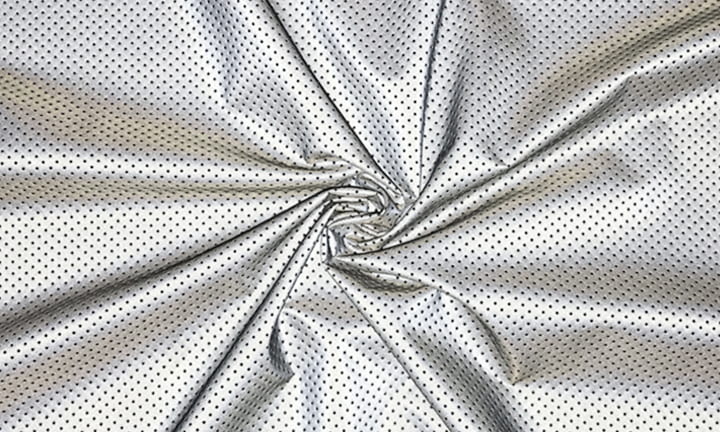
A few years ago, an unusual fashion accessory captured headlines worldwide: the so-called "anti-paparazzi scarf." Under normal lighting conditions, it appeared elegant and understated. However, when photographed with a camera flash, the scarf reflected intense light back toward the lens, creating a bright glare that obscured the wearer’s image.
The concept sparked conversations about privacy, technology, and fashion. More importantly, it introduced many consumers to the remarkable properties of reflective materials.
"Today, reflective fabrics have evolved far beyond their novelty status. No longer limited to traffic safety vests or experimental fashion pieces, they have become an important category of functional textiles that blend visibility, aesthetics, and innovation. From high-fashion runways and streetwear collections to outdoor gear and industrial workwear, reflective fabrics are reshaping how designers approach both nighttime safety and visual expression."
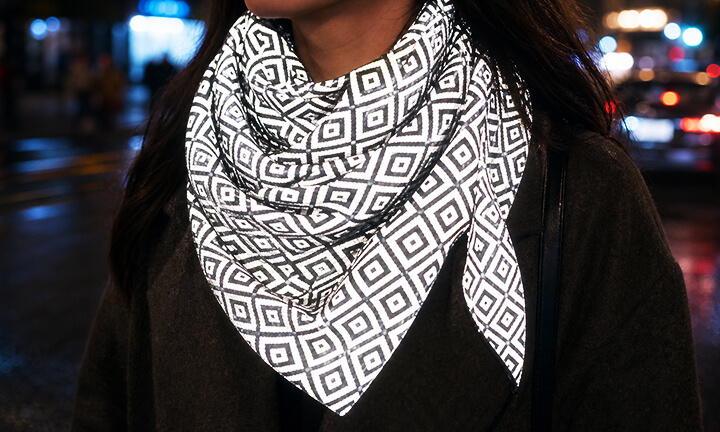
This evolution has given rise to a new generation of materials, including iridescent and rainbow reflective fabrics, printed reflective fabrics, and glow-in-the-dark reflective fabrics, each offering unique benefits for different applications.
The Evolution of Reflective Fabric: From Safety Equipment to Fashion Statement
Reflective materials were originally developed to improve visibility in low-light environments. Their ability to return incoming light toward its source makes wearers more visible to drivers, equipment operators, and other observers at night.
For decades, reflective fabrics were primarily associated with:
- High-visibility workwear
- Road construction apparel
- Emergency responder uniforms
- Traffic safety products
- Outdoor protective clothing
However, as textile technology advanced, manufacturers began exploring ways to integrate reflective performance into more flexible, comfortable, and visually appealing fabrics.
The rise of athleisure, urban outdoor lifestyles, and functional fashion accelerated this transition. Consumers increasingly sought products that could offer both style and practical benefits, particularly for activities conducted during early mornings, evenings, or nighttime hours.
Today, reflective fabrics are no longer viewed solely as safety materials. They have become design elements capable of creating dramatic visual effects while still supporting visibility in low-light environments.
Why Reflective Fabrics Are Gaining Popularity Across Industries
Several market trends have contributed to the growing demand for reflective textiles.
Increased Nighttime Activities
Running, cycling, hiking, commuting, and outdoor recreation often occur during low-light conditions. Consumers are becoming more aware of the importance of visibility when participating in these activities.

Reflective fabrics help enhance visibility without significantly altering garment comfort or appearance during daylight hours.
Demand for Functional Fashion
Modern consumers increasingly expect apparel to serve multiple purposes. Rather than choosing between aesthetics and performance, many buyers want products that offer:
- Style
- Safety
- Durability
- Comfort
- Sustainability
Reflective fabrics align well with these expectations, making them attractive to both brands and consumers.
Advances in Textile Manufacturing
New manufacturing technologies have expanded the possibilities for reflective materials.
Today's reflective fabrics can be:
- Printed with custom patterns
- Combined with stretch fabrics
- Integrated into lightweight garments
- Produced in multiple colors
- Designed with unique visual effects
These innovations have opened new opportunities across fashion, sportswear, outdoor equipment, and personal protective equipment (PPE).

Iridescent and Rainbow Reflective Fabrics: Where Fashion Meets Technology
Among the most visually striking developments in recent years are iridescent and rainbow reflective fabrics.
What Are Iridescent Reflective Fabrics?
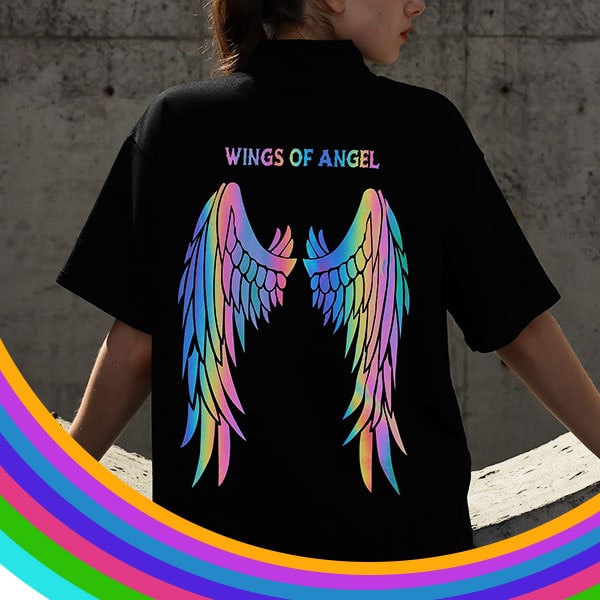
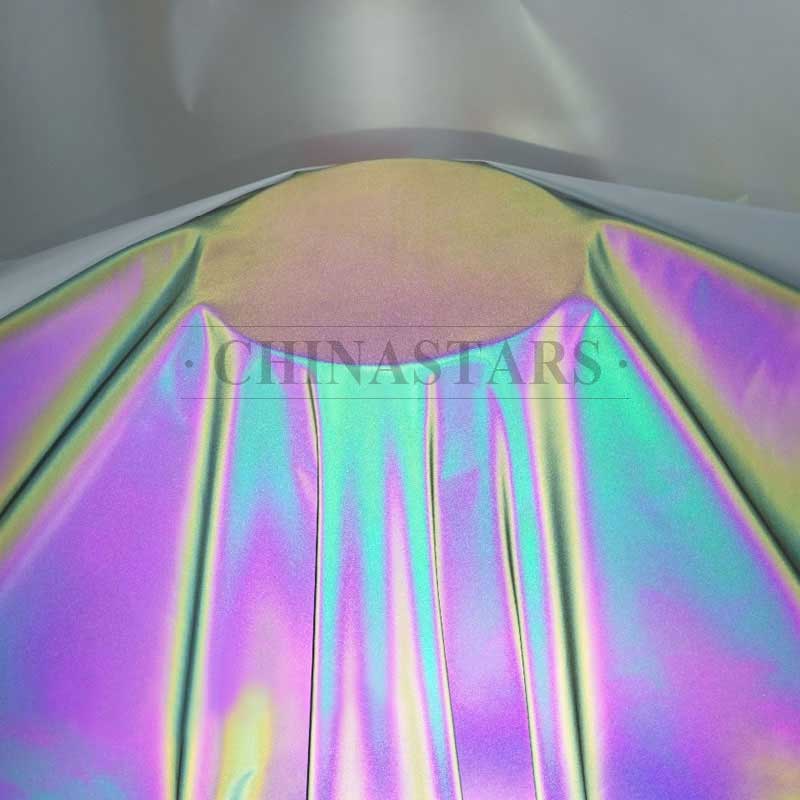
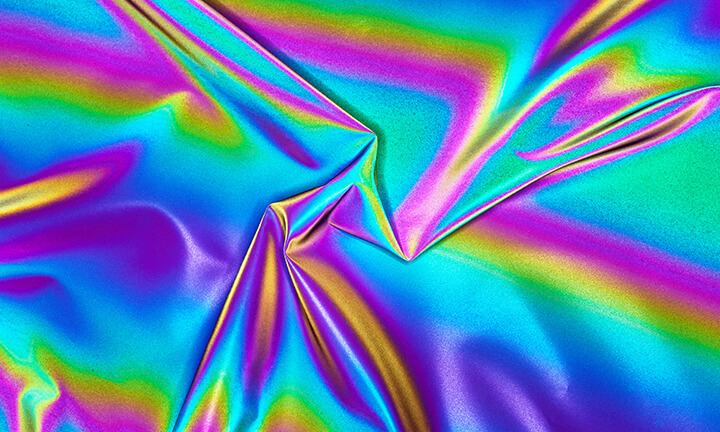
Iridescent reflective fabrics display different colors depending on viewing angle and lighting conditions. Under normal daylight, they may exhibit subtle color shifts. When exposed to direct light sources such as vehicle headlights or camera flashes, they create vibrant reflective effects.
This dynamic appearance has made them popular among:
- Streetwear brands
- Fashion designers
- Footwear manufacturers
- Accessories producers
- Festival and performance apparel companies
The Rise of Rainbow Reflective Fabrics
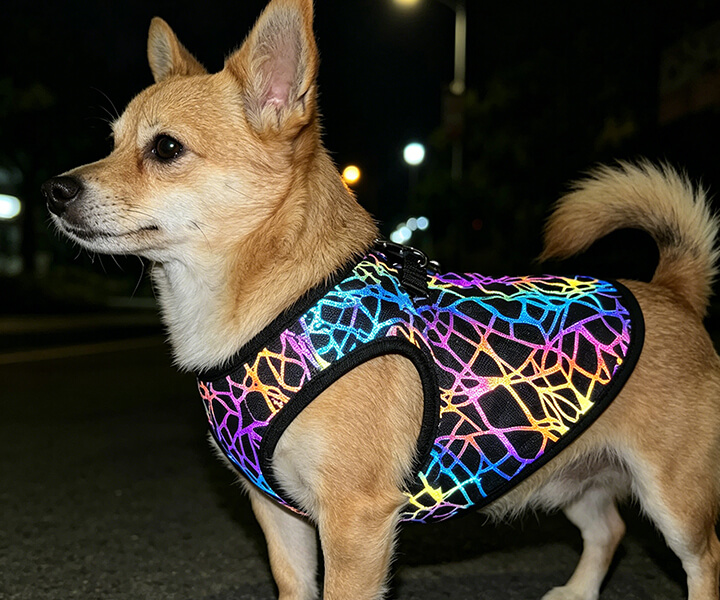
Rainbow reflective fabrics take this concept further by producing multi-colored reflective effects.
Unlike traditional silver reflective materials, rainbow reflective fabrics can create eye-catching visual displays while maintaining reflective functionality. Common applications include:
- Fashion jackets
- Sneakers
- Bags and backpacks
- Outdoor apparel
- Cycling garments
- Sportswear
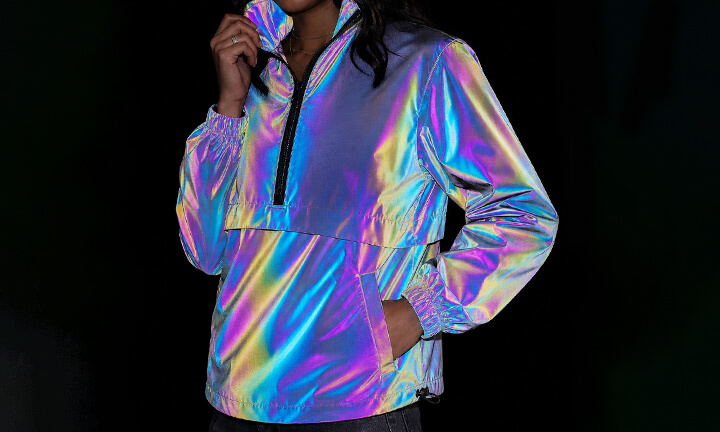
Their popularity reflects a broader trend toward personalization and expressive design in apparel markets.
Printing Reflective Fabric: Expanding Creative Possibilities
Traditional reflective materials often offered limited design flexibility. Reflective strips and patches served their purpose but could restrict creative freedom.
Printing reflective fabric has changed this dynamic.
What Is Printing Reflective Fabric?
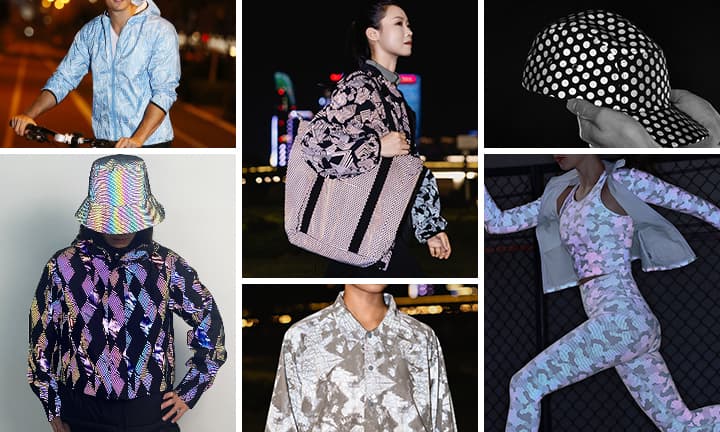
Printing reflective fabric combines reflective technology with custom graphics, logos, patterns, and artwork.
Manufacturers can apply various printing methods to create:
- Brand logos
- Camouflage designs
- Geometric patterns
- Fashion graphics
- Corporate branding elements
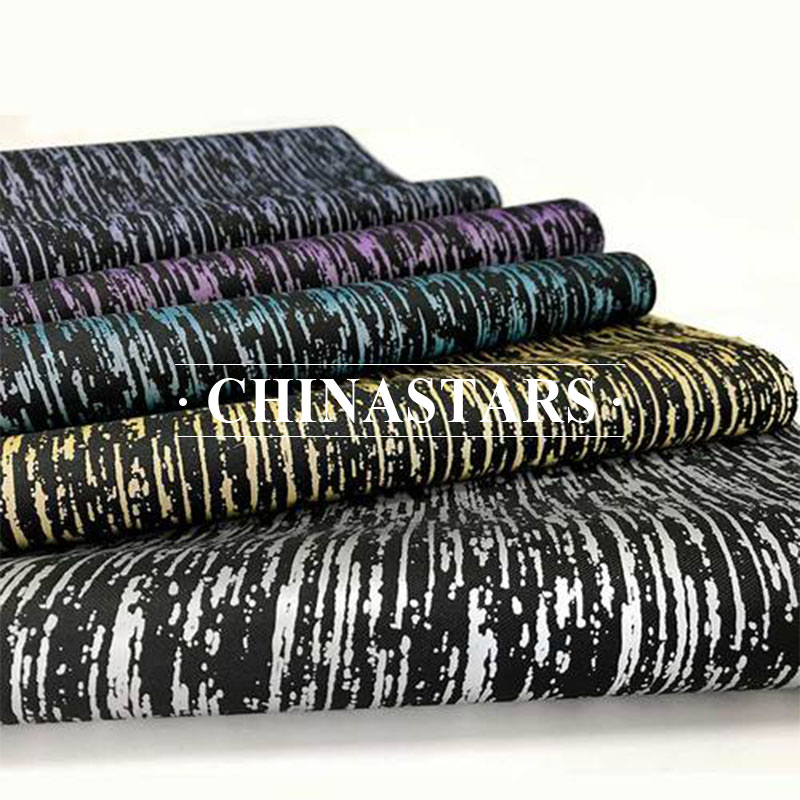
This capability allows designers to maintain reflective functionality while enhancing product aesthetics.
Benefits of Printed Reflective Fabrics
Enhanced Brand Identity
Fashion brands and workwear manufacturers can incorporate reflective elements directly into their visual identity.
Greater Design Freedom
Printed reflective fabrics allow designers to experiment with complex patterns and customized visual effects.
Functional Visibility
Reflective performance can remain integrated within the design rather than appearing as an added feature.
Applications of Printed Reflective Fabrics
Printed reflective materials are increasingly used in:
- Sportswear
- Cycling apparel
- Outdoor jackets
- Work uniforms
- Promotional products
- Fashion accessories
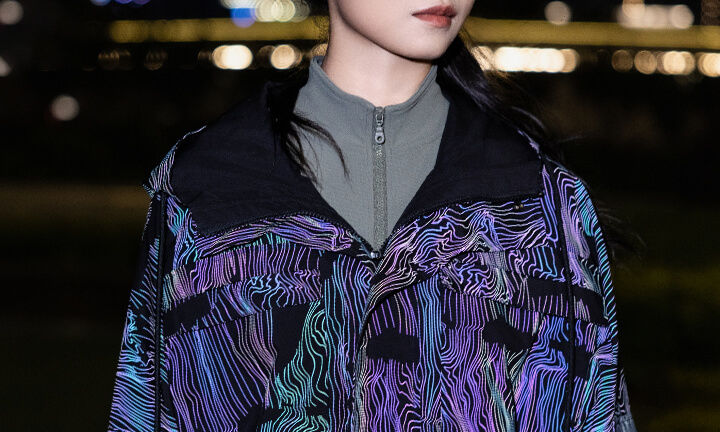
As customization becomes more important in global apparel markets, demand for printed reflective textiles continues to grow.
Glow in the Dark Reflective Fabric: Combining Two Visibility Technologies
Another notable innovation is glow-in-the-dark reflective fabric.
Unlike conventional reflective materials, which require an external light source to create visibility, glow-in-the-dark materials can emit stored light after exposure to ambient or artificial lighting.
When combined with reflective technology, the result is a multifunctional textile that offers visibility under a broader range of conditions.
How Glow-in-the-Dark Reflective Fabrics Work?
These fabrics typically incorporate photoluminescent pigments that absorb light energy and release it gradually in darker environments.
The reflective component continues to provide enhanced visibility when illuminated by headlights, flashlights, or other direct light sources.
This dual functionality creates multiple layers of visibility.

Applications of Glow-in-the-Dark Reflective Fabrics
- Outdoor apparel
- Camping equipment
- Hiking gear
- Children's products
- Running apparel
- Emergency preparedness products
- Safety accessories
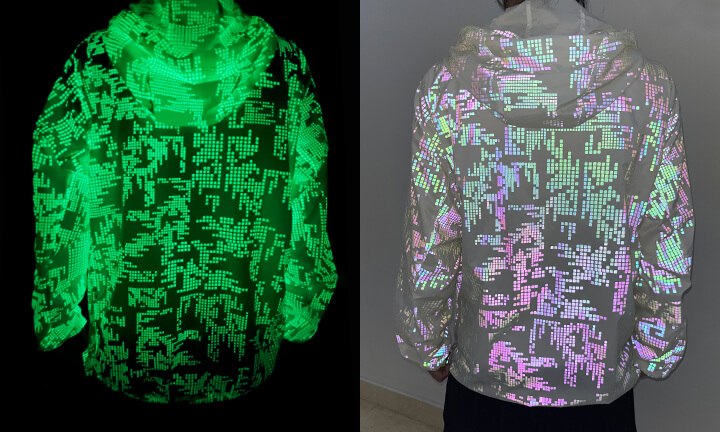
In environments where lighting conditions frequently change, glow-in-the-dark reflective fabrics can provide an additional visual cue that may assist with visibility.
Reflective Fabrics in Modern Fashion
Fashion designers increasingly view reflective materials as creative tools rather than purely technical components. Many contemporary collections incorporate reflective fabrics to create:
- Dynamic nighttime aesthetics
- Interactive visual experiences
- Futuristic design themes
- Urban-inspired looks
The growing influence of social media has further accelerated this trend. Reflective garments often produce dramatic visual effects in photographs and videos, making them appealing for digital content creation.

From luxury fashion houses to independent streetwear labels, reflective textiles are becoming an important part of modern design language.
Reflective Fabrics in Sports and Outdoor Apparel
Performance apparel brands have also embraced reflective fabrics.
For runners, cyclists, and outdoor enthusiasts, visibility is often a practical concern. Reflective materials can be incorporated into:
- Jackets
- Leggings
- Footwear
- Backpacks
- Hats
- Gloves
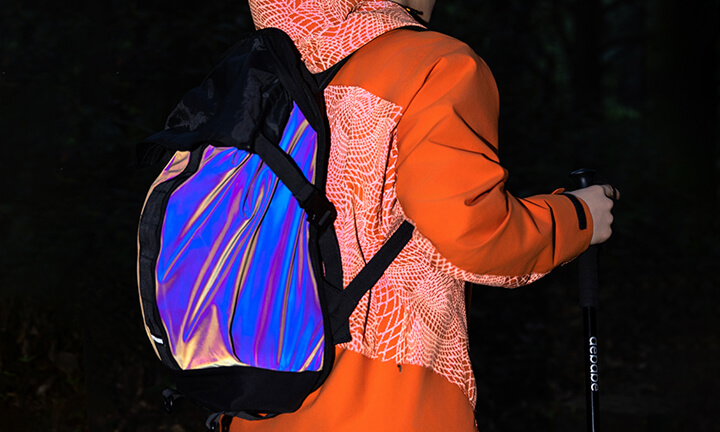
Unlike bulky safety accessories, reflective fabrics allow visibility features to be integrated directly into product design.
This integration supports both performance and aesthetics.
Reflective Fabrics in Professional Safety Applications
While fashion applications continue to expand, workplace safety remains one of the most important uses of reflective fabrics.
Industries commonly using reflective materials include:
- Construction
- Transportation
- Logistics
- Mining
- Utilities
- Emergency services
- Oil and gas
For these sectors, reflective fabrics may be engineered to meet specific performance requirements such as:
- High visibility
- Industrial wash durability
- Flame resistance
- Weather resistance
- Comfort during extended wear
Many reflective materials are designed to comply with standards such as:
- EN ISO 20471
- ANSI/ISEA 107
- CSA Z96
- AS/NZS 1906

The integration of advanced reflective technologies into workwear continues to improve both functionality and wearer acceptance.
Choosing the Right Reflective Fabric
Selecting the appropriate reflective fabric depends on the intended application.
| Application | Recommended Reflective Material |
| Fashion Apparel | Iridescent Reflective Fabric, Rainbow Reflective Fabric |
| Streetwear | Rainbow Reflective Fabric, Printed Reflective Fabric |
| Sportswear | Stretch Reflective Fabric, Printed Reflective Fabric |
| Outdoor Gear | Glow-in-the-Dark Reflective Fabric |
| Workwear | High-Visibility Reflective Fabric |
| Flame Resistant Apparel | FR Reflective Fabric |
| Branded Uniforms | Printed Reflective Fabric |
Key considerations include:
- Reflective performance
- Durability
- Wash resistance
- Flexibility
- Fabric compatibility
- Compliance requirements
- Visual appearance
The Future of Reflective Fabrics
Reflective fabrics have come a long way since the days when they were primarily associated with safety vests and experimental anti-paparazzi accessories.
Advancements in textile engineering are enabling reflective materials to become lighter, more comfortable, more customizable, and more visually engaging than ever before.
As consumers increasingly seek products that combine functionality and style, reflective fabrics are expected to play an expanding role across multiple industries.
Emerging innovations in smart textiles, sustainable materials, and advanced surface treatments may further broaden their applications in the years ahead.
Conclusion
The story of reflective fabric is no longer limited to visibility and safety. What once attracted attention through an anti-paparazzi scarf has evolved into a diverse category of innovative textiles that influence fashion, sportswear, outdoor gear, and professional safety apparel.
From the vibrant effects of iridescent and rainbow reflective fabrics to the creative flexibility of printed reflective fabrics and the dual visibility benefits of glow-in-the-dark reflective fabrics, these materials demonstrate how technology and design can work together to meet changing consumer and industry needs.
As reflective textile technologies continue to advance, they are helping redefine what modern fabrics can achieve - both in the spotlight and beyond it.
Frequently Asked Questions
1. What is reflective fabric?
Reflective fabric is a textile material designed to return light toward its source, improving visibility in low-light conditions.
2. What is the difference between rainbow reflective fabric and traditional reflective fabric?
Traditional reflective fabric typically appears silver when illuminated, while rainbow reflective fabric produces multi-colored reflective effects.
3. How does glow-in-the-dark reflective fabric work?
It combines photoluminescent materials that emit stored light in darkness with reflective technology that enhances visibility when exposed to direct light sources.
4. Are reflective fabrics washable?
Washability depends on the product construction and intended application. Some reflective fabrics are designed to withstand repeated home laundering, industrial washing, or dry cleaning.
5. Can reflective fabrics be used in fashion products?
Yes. Reflective fabrics are widely used in fashion apparel, footwear, bags, accessories, and streetwear collections.
6. What industries commonly use reflective fabrics?
Construction, transportation, logistics, emergency services, oil and gas, outdoor recreation, sportswear, and fashion industries all utilize reflective materials.