Perforated Reflective Fabric for Outdoor & Workwear: Customizable Solutions from Chinastars
When designing outdoor clothing and professional workwear, manufacturers increasingly need materials that balance visibility, comfort, and design flexibility. Traditional reflective materials provide reliable visibility but may sometimes limit breathability or design options, especially in lightweight garments.
"Perforated reflective fabric offers an alternative approach by combining reflective performance with improved airflow and a more flexible appearance. With customizable hole patterns and material choices, this type of reflective material is suitable for outdoor jackets, sportswear, safety clothing, and other applications where both function and appearance matter."
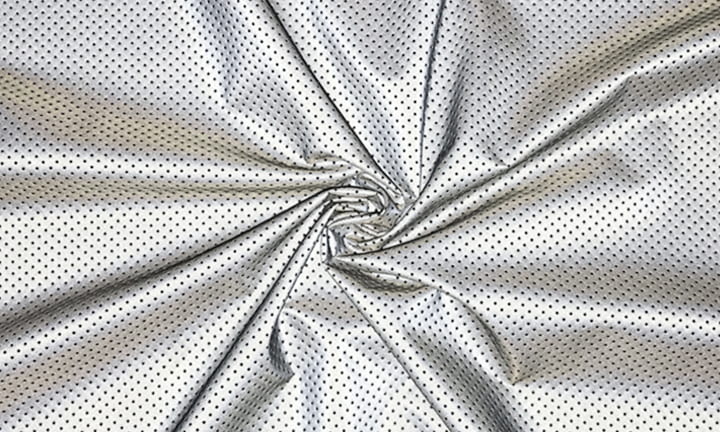
As an experienced reflective material manufacturer, Chinastars reflective material solutions are developed to help garment manufacturers and designers create products that meet different performance and design requirements.
Why Choose Perforated Reflective Fabric for Outdoorwear and Workwear?
Reflective elements are an important part of many outdoor and safety garments, especially for people working or exercising in low-light environments. However, modern garment design requires more than visibility alone.
A perforated structure creates small openings within the reflective layer, helping improve air circulation and reduce the covered area of reflective material on the garment. This makes it a practical option for applications where comfort and breathability are important.
Compared with traditional solid reflective tapes, perforated reflective fabric provides several design advantages:
- Improved breathability for activewear and outdoor jackets
- A lighter visual effect that integrates better with modern garment designs
- Flexible placement options for creative patterns and functional zones
- Compatibility with different fabrics and garment constructions
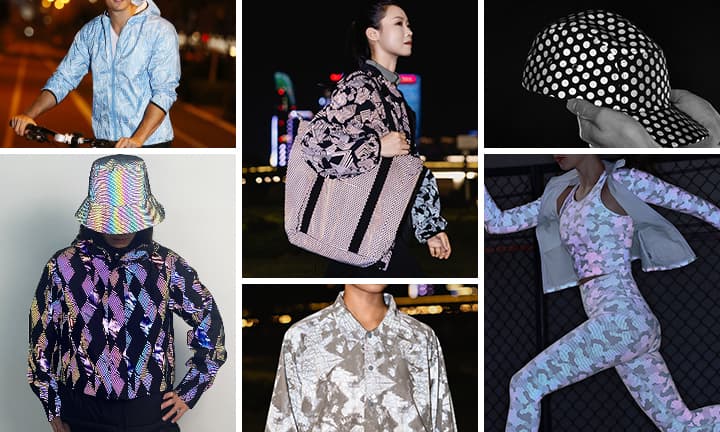
For outdoor apparel brands, this means reflective details can become part of the overall design rather than simply a safety requirement.
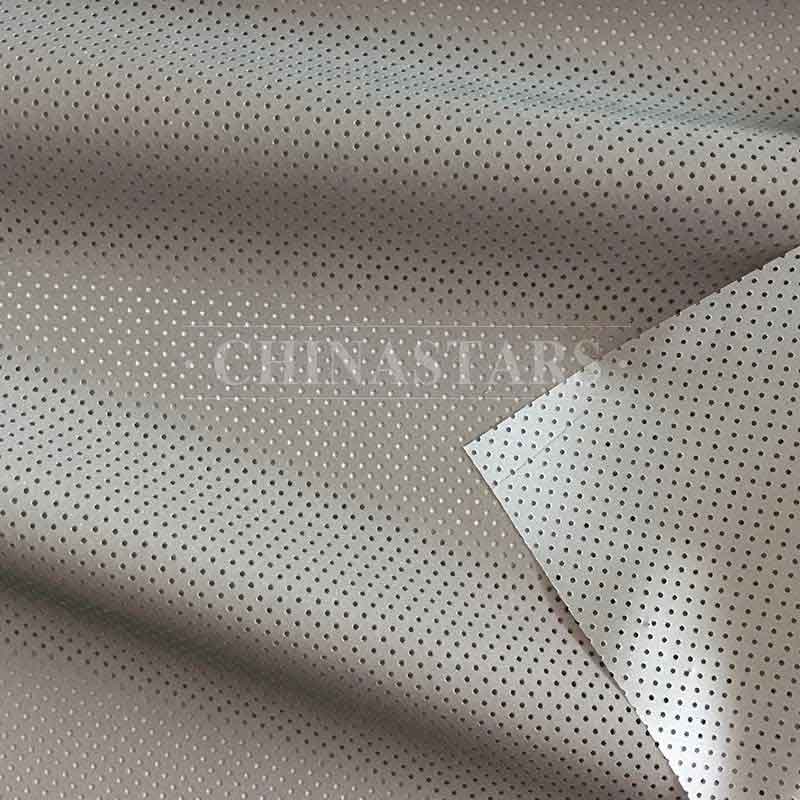
Reflective Fabric Solutions Designed for Different Applications
Different industries have different requirements for reflective materials. A lightweight cycling jacket may prioritize flexibility and comfort, while industrial workwear may require durability and compliance with safety standards.
Chinastars provides perforated reflective fabric options for various applications, including:
Outdoor and Sportswear
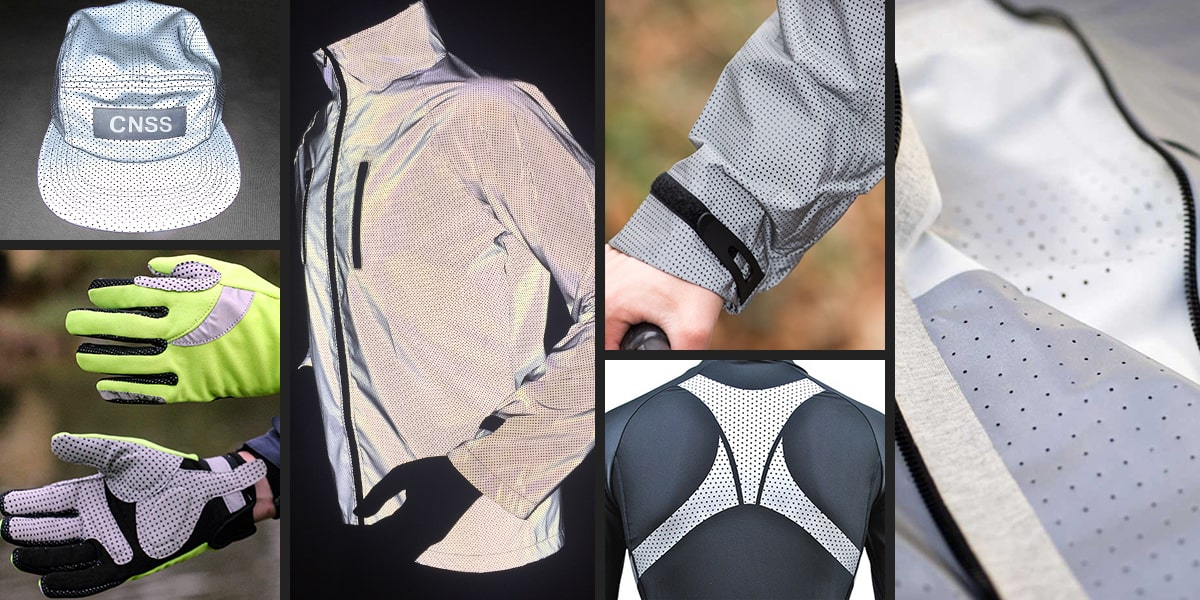
For hiking jackets, cycling apparel, running wear, and outdoor clothing, breathability and lightweight construction are key considerations.
Perforated reflective fabric helps designers add reflective elements while maintaining garment comfort during physical activities.
Common applications include:
- Outdoor jackets
- Windbreakers
- Running apparel
- Cycling clothing
- Sports accessories
High-Visibility Workwear
In workwear and PPE applications, reflective materials are used to improve worker visibility in environments such as construction sites, transportation, logistics, and industrial areas.
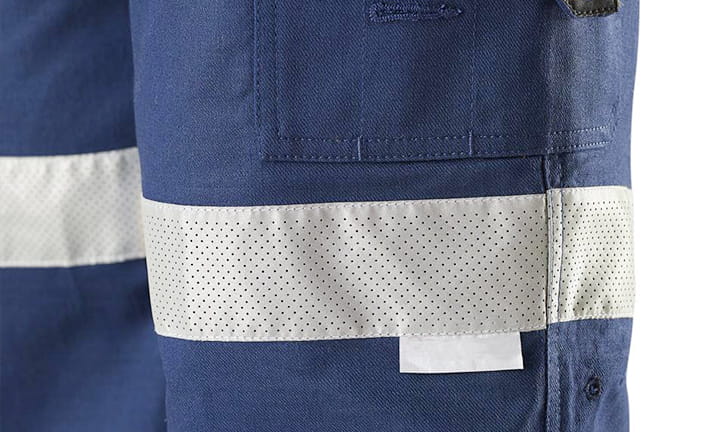
Depending on the garment requirements, perforated reflective fabric can be combined with different backing materials and tested according to industry standards.
Typical certifications and standards may include:
- OEKO-TEX 100
- EN ISO 20471
- ANSI/ISEA 107
- AS/NZS 1906
Manufacturers should select the appropriate reflective material based on the final garment design, required performance, and target market regulations.
Material Options for Customized Reflective Material Applications
One advantage of perforated reflective fabric is the ability to select different base materials according to garment requirements.
Available options may include:
Polyester Backing
Polyester-based reflective fabric is commonly used for outdoor clothing and general apparel applications due to its durability and compatibility with various textile constructions.
TC Backing
TC (polyester-cotton blend) backing provides a balance between comfort and strength, making it suitable for many workwear applications.
Flame-Retardant Reflective Materials
For industries such as firefighting, electrical work, and industrial protection, flame-retardant reflective materials can be selected to meet specific safety requirements.
Heat Transfer Reflective Film
Heat transfer options allow designers to apply reflective patterns, logos, and graphics without traditional sewing processes. They are often used for sportswear, fashion garments, and customized apparel.
Choosing the right reflective material depends on factors such as washing requirements, fabric compatibility, garment use, and certification needs.
Customization Options for Perforated Reflective Fabric
Modern apparel manufacturers often require more flexibility than standard reflective tapes can provide. Customization allows reflective elements to better match garment design and production requirements.
Chinastars supports customization options including:
- Perforation patterns
- Hole diameter
- Hole spacing
- Reflective strip width
- Sewing area design
- Material structure
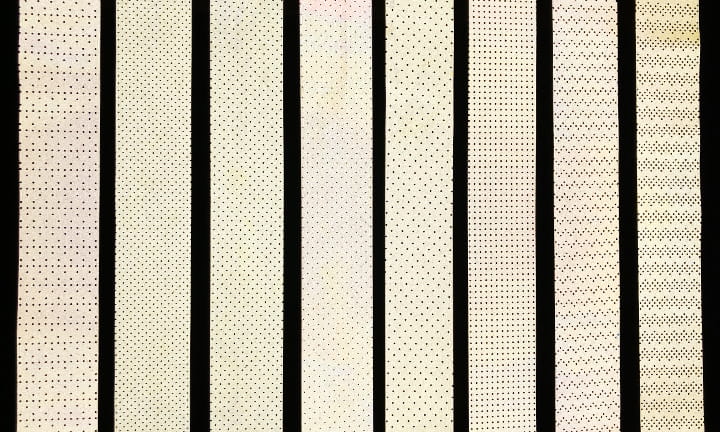
For example, larger perforations may provide increased airflow, while smaller patterns can create a more subtle decorative effect. Designers can adjust the structure based on whether the priority is comfort, appearance, or garment performance.
This flexibility makes perforated reflective fabric suitable for both functional safety clothing and fashion-oriented outdoor apparel.
How to Select the Right Reflective Fabric for Your Product
When sourcing reflective materials, garment manufacturers should consider several key factors:
1. Application Environment
A material used for outdoor sportswear may require flexibility and comfort, while industrial workwear may focus more on durability and certification compliance.
2. Washing Performance
For uniforms and professional workwear, repeated washing performance is an important consideration. Manufacturers should check whether the reflective material meets the expected washing conditions, including domestic washing, industrial washing, or dry cleaning requirements.
3. Fabric Compatibility
The reflective material should work well with the garment fabric, whether it is polyester, cotton, waterproof fabric, stretch fabric, or other textile materials.
4. Design Requirements
For brands focusing on outdoor fashion, reflective details can enhance garment appearance. Custom perforation designs provide more creative possibilities compared with standard reflective strips.
Chinastars Reflective Material for Custom Outdoor and Safety Apparel
With years of experience in reflective material manufacturing, Chinastars provides reflective fabric and related solutions for workwear manufacturers, clothing factories, and outdoor apparel brands worldwide.
From standard reflective fabrics to customized perforated designs, the focus is on helping customers select materials that match their garment requirements, production methods, and target markets.
Whether you are developing a high-visibility uniform, outdoor jacket, or performance sportswear collection, choosing the right reflective material can help create garments that combine safety, comfort, and design value.
Conclusion: A Flexible Choice for Modern Reflective Garment Design
Perforated reflective fabric provides garment manufacturers with a practical way to combine visibility, breathability, and design flexibility. Its customizable structure makes it suitable for a wide range of outdoorwear, sportswear, and workwear applications.
By selecting the right material type, pattern design, and performance specifications, brands can develop reflective garments that meet both functional requirements and modern design expectations.
Visit our website to explore more reflective fabric and customized reflective material solutions from Chinastars.